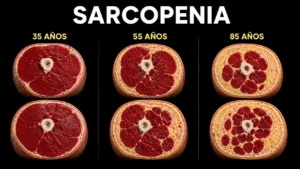

Menopause is a natural stage in life that brings hormonal and physical changes such as muscle loss, increased abdominal fat, and decreased bone density. This article explains how strength training, cardiovascular exercise, and mobility work can counteract these effects, improve metabolism, and enhance health and well-being in women aged 45 and above.
1. What Happens to the Body During Menopause?
Menopause, typically occurring between the ages of 45 and 55, marks the end of menstruation. Hormonal changes cause a decrease in estrogen and progesterone, which may lead to:
• Loss of muscle mass and strength (sarcopenia)
• Increased abdominal fat and changes in fat distribution
• Decreased bone density and higher risk of osteoporosis
• Sleep disturbances, hot flashes, and mood swings
• Lower resting energy expenditure
The good news: with an adapted training program, you can slow down or even reverse many of these changes.
2. Benefits of Training During Menopause
A well-structured exercise plan offers numerous benefits:
• Maintains and increases muscle mass
• Strengthens bones and reduces fracture risk
• Boosts metabolism and supports weight management
• Reduces hot flashes and improves sleep quality
• Increases energy and self-confidence
• Supports cardiovascular health
3. Recommended Types of Training
a) Strength Training (2–3 times per week)
• Use weights, resistance bands, or bodyweight exercises.
• Focus on compound movements: squats, deadlifts, chest press, rows.
• Gradually increase intensity to stimulate muscles and bones.
b) Cardiovascular Exercise (3–4 times per week)
• Brisk walking, cycling, swimming, or light jogging.
• Include short high-intensity intervals (HIIT) once or twice a week.
c) Mobility and Flexibility
• Yoga, Pilates, or stretching to prevent stiffness and improve posture.
d) Core and Balance Work
• Strengthen abs and lower back to prevent falls and joint pain.
4. Practical Tips for Training During Menopause
Start gradually if you haven’t been training regularly.
• Adjust intensity according to energy levels and recovery.
• Combine exercise with a diet rich in protein, calcium, vitamin D, and omega-3.
• Prioritize good sleep and stress management (breathing exercises, meditation).
• For joint discomfort, opt for low-impact exercises.
5. Nutrition to Maximize Results
Protein: 1.2–1.5 g/kg body weight to preserve muscle mass.
• Healthy fats: avocado, nuts, olive oil, oily fish.
• Quality carbs: fruits, vegetables, legumes, whole grains.
• Key micronutrients: calcium, magnesium, vitamins D and K2.
• Stay hydrated, especially if experiencing hot flashes or night sweats.
6. Conclusion
Menopause doesn’t have to mean losing your physical shape or energy. With an adapted training plan and balanced nutrition, you can stay strong, active, and enjoy an excellent quality of life.
Exercise becomes your best ally—not just for your body, but for your mind