
As we age, we naturally lose some flexibility, energy, and mobility. But one of the most critical losses — and often overlooked — is muscle mass.
Sarcopenia is the gradual loss of muscle mass and strength that occurs with aging. It doesn’t just affect how we perform physically; it significantly increases the risk of falls, fractures, dependence, and even early mortality.
The good news? It’s preventable and even reversible — and the most powerful tool isn’t a pill, but strength training.
What Exactly Is Sarcopenia?
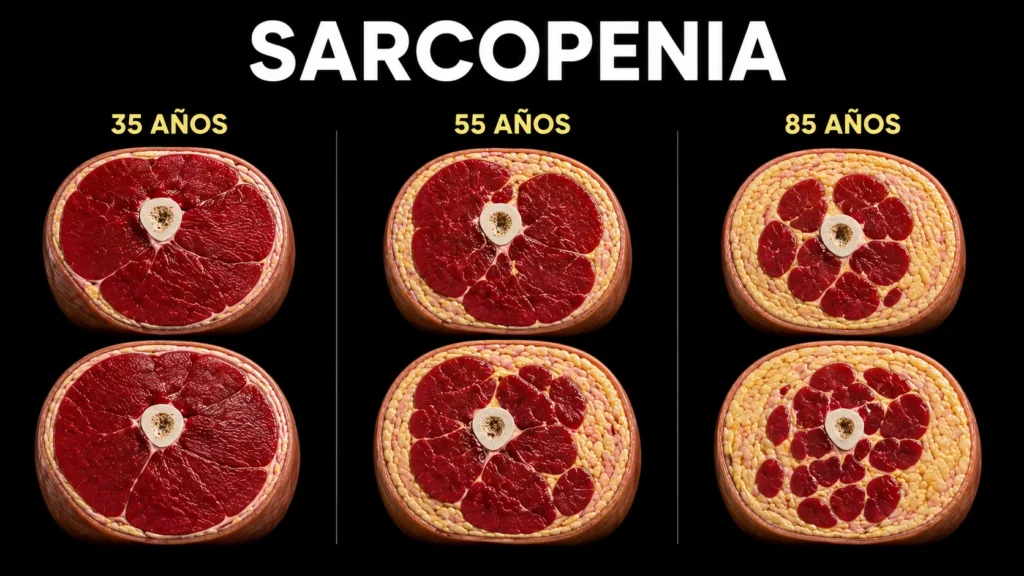
Sarcopenia is a condition defined by a progressive decline in muscle mass, strength, and function, typically accelerating after age 50–60 without proper training.
According to the European Working Group on Sarcopenia in Older People (EWGSOP), sarcopenia is diagnosed when the following are present:
• Low muscle mass
• Low muscle strength (especially grip strength)
• Poor physical performance (e.g., slow gait speed)
Why Is Sarcopenia So Dangerous?
Because muscle isn’t just for moving — it’s a protective, metabolic, and endocrine organ. Low muscle mass is associated with:
• Poor glucose metabolism and insulin resistance
• Reduced bone density and increased fracture risk
• Greater joint instability and fall risk
• Chronic inflammation and decreased immune function
• Loss of independence and quality of life
• Higher overall mortality risk
The less muscle you have, the more vulnerable you are — physically and metabolically.
Strength Training: The Best Medicine
Scientific evidence confirms that regular strength training can prevent and reverse sarcopenia, even in people over 70 or 80 years old.
This doesn’t mean lifting heavy weights like a bodybuilder. It means progressive resistance training adapted to your level, done consistently and with proper form.
Benefits of strength training for sarcopenia:
• Maintains or increases lean muscle mass
• Improves mobility and functional strength
• Enhances metabolic health and glucose regulation
• Reduces fall and injury risk
• Improves mood, confidence, and independence
According to research, training just 2–3 times per week with compound movements (squats, pushes, pulls, etc.) is effective in older adults【1】.
Does Nutrition Matter Too?
Absolutely. To support muscle maintenance and growth, the diet should include:
• High-quality protein: at least 1.2–1.5 g/kg/day in active older adults
• Sufficient caloric intake: avoid chronic under-eating
• Key nutrients: vitamin D, omega-3 fatty acids, and others
However, nutrition alone is not enough — without strength training, muscle still declines.
Final Thoughts: Strength Is an Investment in Your Future
Sarcopenia is not inevitable — but prevention requires action.
Strength training is not just for young people or athletes — it’s for anyone who wants to age well, maintain independence, and live with energy and vitality.
Muscle is your health insurance.
Treat it like your heart, your brain, and your sleep.
References
Leong, D. P., et al. (2015). Prognostic value of grip strength: findings from the Prospective Urban Rural Epidemiology (PURE) study. The Lancet, 386(9990), 266–273.
Rantanen, T., et al. (1999). Midlife hand grip strength as a predictor of old age disability. JAMA.
Bohannon, R. W. (2008). Hand-grip dynamometry predicts future outcomes in aging adults. Journal of Geriatric Physical Therapy.
American College of Sports Medicine (2021). ACSM’s Guidelines for Exercise Testing and Prescription.
Dodds, R. M., et al. (2014). Grip strength across the life course: normative data from 12 British studies. Age and Ageing.