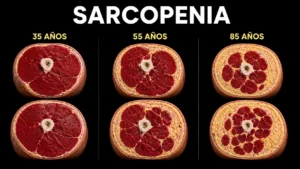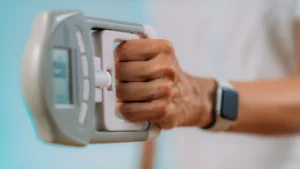

Your ID says one thing… but how old is your body, really?
Your chronological age is simply the number of years you’ve been alive. But your biological age reflects how well (or poorly) your body is aging.
And here’s the truth: they often don’t match.
Someone who’s 50 may show biological aging indicators associated with a younger or older age, depending on several factors related to their health and lifestyle.
What Is Biological Age?
Biological age refers to the functional state of your cells, organs, and systems.
It can be estimated using different biomarkers and health indicators, such as:
- Body composition (muscle and fat mass).
- Cardiovascular health.
- Gut microbiota status.
- VO₂ max and lung capacity.
- Inflammatory and hormonal markers.
- Metabolic flexibility.
- Sleep quality and recovery.
- Cognitive health and mood.
In short: it’s a way to estimate how your body is aging, not simply how many birthdays you’ve celebrated.
Why Is It More Important Than Chronological Age?
Because biological aging indicators can provide information about your disease risk, physical capacity, and healthy lifespan that chronological age alone cannot offer.
- Two people of the same chronological age can have drastically different levels of energy, mobility, and resilience.
- Chronic stress, inactivity, and poor nutrition can contribute to accelerating certain biological aging processes.
On the flip side, regular training, quality sleep, and a healthy diet can help slow down some processes associated with biological aging.
How to Slow Down Your Biological Aging
Several lifestyle habits can contribute to healthier aging. Here are five of the most important:
1. Strength and cardio training
- Enhances mitochondrial health, metabolism, and hormonal balance.
- Supports cellular processes associated with maintaining health, such as autophagy.
2. Quality sleep (consistently)
- Quality sleep supports cellular recovery and helps regulate inflammatory and hormonal processes.
3. Whole-food-based nutrition
- Prioritize minimally processed foods, sufficient protein, fiber, and micronutrients.
- Limit added sugar, alcohol, and ultra-processed products.
4. Manage chronic stress & move more throughout the day (NEAT)
- Walk, breathe, enjoy sunlight responsibly, and connect with people.
5. Tune into your body and prioritize wellbeing
- Real longevity means feeling good, not just “looking young”.
Conclusion: You Build Your Real Age Every Day
You can’t change your birth date — but you can absolutely influence your health trajectory through your lifestyle.
Chronological age is just a number. Biological age is an estimate that reflects multiple processes taking place within your body.
The best news? Your habits can make a difference in how you age.