
Is Yoga or Pilates Enough? Why You Also Need Strength and Cardio Training
Yoga and Pilates have become incredibly popular, especially among women — and for good reason.
They promote well-being, body awareness, flexibility, and control.
But there’s a growing trend: using yoga or Pilates as the only form of physical training.
And that’s where the problem lies: on their own, they don’t cover all the physical needs required for long-term health.
The Benefits of Yoga and Pilates (Yes, They’re Valuable)
Both practices offer multiple benefits:
• Improve posture and mobility
• Enhance breathing and body awareness
• Reduce stress and anxiety
• Strengthen the core and improve balance
• Are sustainable and low-impact
They are great tools — especially when combined with other types of training.
The Problem: Thinking They’re Enough
Practicing only yoga or Pilates can be beneficial in the short term, but:
• ❌ They don’t provide enough cardiovascular stimulation
• ❌ They don’t offer progressive overload to preserve or build muscle
• ❌ They don’t train large muscle groups under significant resistance
• ❌ They don’t improve metabolic conditioning or bone density to the same extent
The human body needs to move, yes… but also to be strong, resilient, and functionally prepared.
Why Strength Training Is Essential — Especially for Women
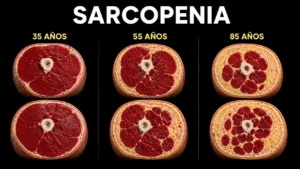
After the age of 30–35, we begin to lose muscle mass (sarcopenia).
Without strength training, we gradually lose:
• Metabolic efficiency
• Bone density
• Functional strength
• Insulin sensitivity
• Protection against injury, falls, and aging
Strength training is not just about looking fit — it’s about staying healthy and independe
And What About Cardio?
Many people who do yoga or Pilates neglect aerobic capacity, which is a big mistake.
Structured cardiovascular training (like zone 2, long walks, or HIIT) provides:
• Heart and lung health
• Increased daily energy
• Better stress management
• Improved fat metabolism
• Enhanced stamina for daily life
Training your heart is just as important as training your muscles.
Conclusion: It´s Not Either-Or — It’s About Integration
Yoga and Pilates are excellent for mobility, posture, and well-being.
But they should not replace strength and cardio training.
You don’t need to train every day — you just need to plan smart.
My advice as a coach:
Aim for 2 strength sessions, 2 cardio days, and 1–2 sessions of yoga or Pilates per week.
Balance makes all the difference.
References
1. Cruz-Jentoft, A. J., et al. (2019). Sarcopenia: revised European consensus on definition and diagnosis. Age and Ageing.
2. Fragala, M. S., et al. (2019). Resistance training for older adults: position statement from the National Strength and Conditioning Association. Journal of Strength and Conditioning Research.
3. Wolfe, R. R. (2006). The underappreciated role of muscle in health and disease. The American Journal of Clinical Nutrition.
4. Fielding, R. A., et al. (2011). Sarcopenia: an undiagnosed condition in older adults. Current consensus definition: prevalence, etiology, and consequences. Journal of the American Medical Directors Association.
5. American College of Sports Medicine (ACSM). (2021). ACSM’s Guidelines for Exercise Testing and Prescription.