
urning 40 doesn’t mean you should stop training — it means you should train smarter. At this stage of life, your body begins to change, but so does your awareness of the importance of health. Incorporating regular physical exercise after 40 is one of the best decisions you can make to improve your quality of life, prevent disease, and stay strong, active and energized.
What changes after 40?
From the age of 40 onward, several physiological processes begin to occur naturally:
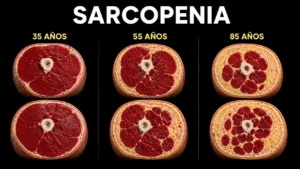
• Progressive loss of muscle mass (sarcopenia)
• Decreased bone density
• Reduced flexibility and joint mobility
• Slower basal metabolic rate
• Hormonal changes (such as declines in testosterone or estrogen)
These changes are not a sentence — but they do make it more important to train with strategy and a science-based plan.
Benefits of training after 40
Numerous studies support the benefits of maintaining an active lifestyle at this age:
• ✅ Preserves muscle mass and strength: Resistance training slows sarcopenia and enhances daily function.
• ✅ Improves cardiovascular health: Regular aerobic exercise reduces the risk of high blood pressure, elevated cholesterol and heart disease.
• ✅ Prevents osteoporosis: Strength training helps improve bone density and prevent fractures.
• ✅ Boosts mood and sleep quality: Exercise has been shown to lower stress and promote better sleep.
• ✅ Supports weight and body composition management
What type of training is best after 40?
The best approach is one that is balanced, progressive and tailored to your needs. As a qualified personal trainer, I recommend integrating:
• Strength training 2–3 times per week
• Moderate cardio (walking, swimming, cycling, light jogging)
• Mobility and flexibility work
• Focus on technique and injury prevention
• Personalized nutritional guidance
Professional support can make all the difference in motivation, consistency and sustainable results, without falling into the “all or nothing” trap.
Conclusion: It’s never too late to start, but the sooner, the better
Training after 40 (or starting for the first time) is not only possible — it’s highly recommended. Now is the time to invest in your health with intention, consistency and expert support. It’s not about doing more, it’s about training smarter with a holistic, personalized approach.
Sources and references
1. Fragala, M. S., et al. (2019). Resistance Training for Older Adults: Position Statement From the National Strength and Conditioning Association. Journal of Strength and Conditioning Research, 33(8), 2019–2052.
2. American College of Sports Medicine. (2021). ACSM’s Guidelines for Exercise Testing and Prescription (11th ed.).
3. Garber, C. E., et al. (2011). Quantity and quality of exercise for developing and maintaining cardiorespiratory, musculoskeletal, and neuromotor fitness in apparently healthy adults. Medicine & Science in Sports & Exercise, 43(7), 1334-1359.
4. Villareal, D. T., et al. (2017). Effects of Exercise Training on Physical Function in Older Adu